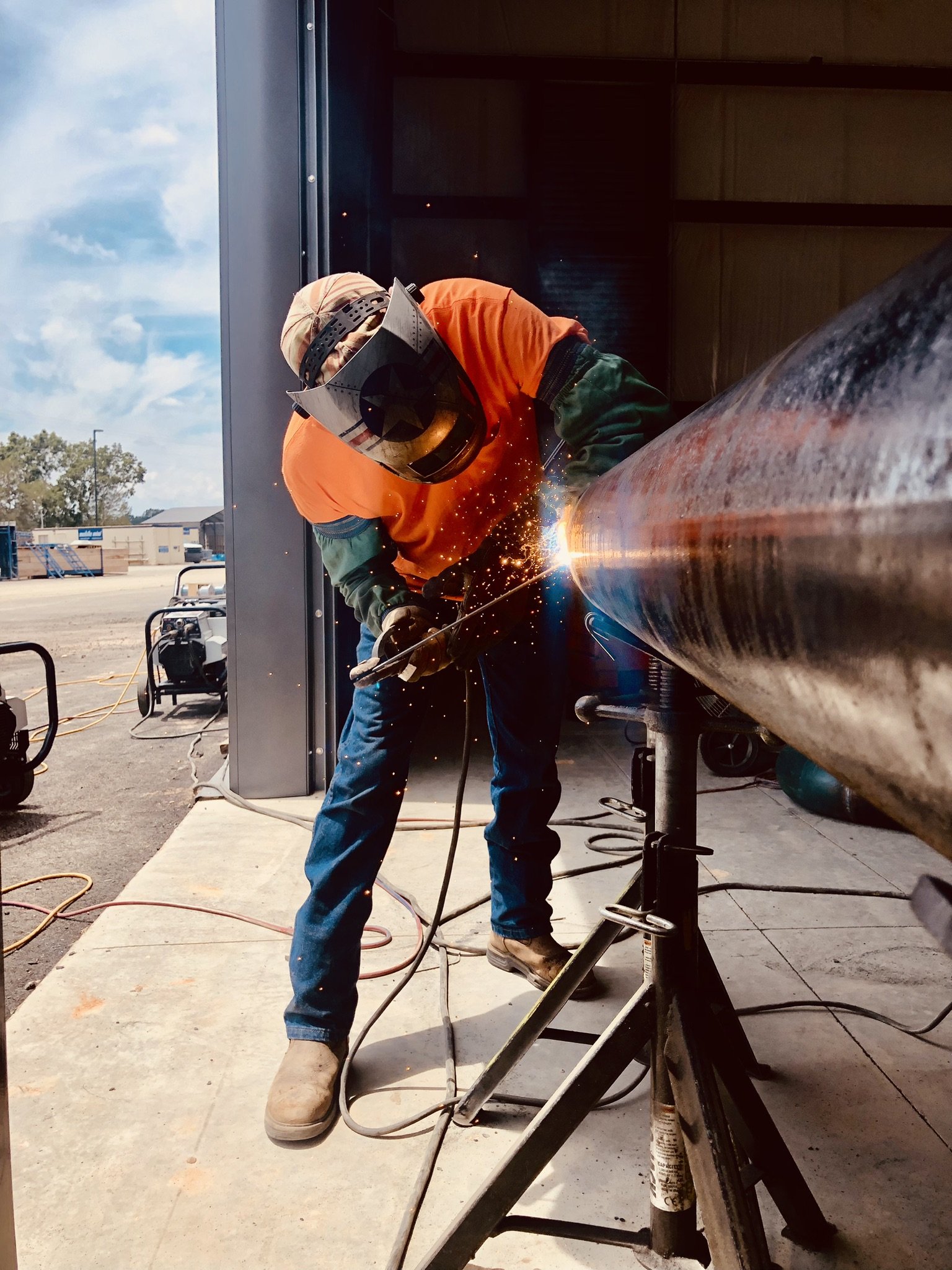
Everything about Welding: Key Insights Into Techniques and Ideal Practices for Success
Welding encompasses a selection of methods, each matched for specific materials and applications. Understanding these techniques, such as GMAW, SMAW, and TIG, is essential for achieving ideal outcomes. In addition, the appropriate tools and safety methods can not be ignored. As prep work and fixing play essential functions in the welding procedure, mastering these elements can greatly improve the quality of the end product. What are the crucial aspects that ensure an effective weld?
Comprehending Different Welding Methods
Welding methods include a variety of approaches, each suited to certain applications and materials. Among the most typical strategies are Gas Metal Arc Welding (GMAW), Secured Steel Arc Welding (SMAW), and Tungsten Inert Gas Welding (TIG) GMAW, also understood as MIG welding, is preferred for its rate and convenience, making it perfect for slim materials. SMAW, or stick welding, is favored for its simplicity and performance in outside environments, especially with thicker metals. TIG welding provides precision and control, making it ideal for detailed job and non-ferrous metals (Belgrade Fabrication). Each method has its distinct advantages and considerations, permitting welders to choose the very best approach based upon the project's requirements, product type, and desired outcomes. Understanding these techniques is vital for successful welding
Crucial Welding Tools and Devices
While numerous welding methods need details abilities, the appropriate tools and devices are similarly important for accomplishing top quality results. Necessary welding tools consists of welding makers, which vary depending upon the method-- such as MIG, TIG, or stick welding. Protective equipment, including headgears, aprons, and handwear covers, assurances security and convenience during the process. Furthermore, components and clamps assist secure materials in position, ensuring precision in welds. Consumables like welding poles, cable, and shielding gas are also vital parts that affect the quality of the weld. Devices such as cutters and mills help with surface area preparation and post-weld completing, contributing to a professional outcome. Buying top quality equipment ultimately improves the performance and effectiveness of welding jobs.
Safety Practices in Welding
Proper safety and security methods are important in the welding market to secure workers from possible threats. Welders need to wear suitable personal protective tools (PPE), consisting of helmets with proper shading, gloves, and flame-resistant clothing. Ample ventilation is important to minimize direct exposure to harmful fumes and gases created throughout the welding procedure. In addition, workers ought to be educated in the appropriate handling of welding devices to avoid crashes. Fire precaution, such as maintaining flammable materials far from the welding location and having fire extinguishers easily offered, are necessary. Normal assessments of equipment and work spaces can aid identify prospective threats prior to they result in mishaps. By sticking to these safety techniques, welders can produce a much safer working setting and lessen threats related to their trade.
Readying Products for Welding
Preparing materials for welding is a crucial step that considerably affects the high quality and integrity of the end product (Montana Mobile Welding and Repair Belgrade Fabrication). Correct preparation includes cleaning up the surface areas to get rid of impurities such as dust, rust, and oil, which can jeopardize the weld. Techniques such as grinding, sanding, or utilizing solvents are frequently used to attain a clean surface area. Additionally, making certain that the products fit with each other well is essential; gaps can bring about weak welds. It's likewise important to take into consideration the placement and positioning of the elements, as this will influence the simplicity of welding and the last result. Selecting the appropriate filler material and ensuring compatibility with the base metals is necessary for attaining strong, resilient welds.
Tips for Getting High-Quality Welds
Attaining top notch welds calls for focus to detail and adherence to best techniques throughout the welding procedure. Proper joint prep work is essential, making certain surfaces are complimentary and tidy from pollutants. Picking the ideal filler product and welding strategy based upon the base steels is vital for optimal bonding. Preserving regular travel speed and angle while welding can avoid problems and promote uniformity. In addition, managing warm input is vital; too much warm can cause bending and weakened joints. Routinely evaluating the welds during the process enables prompt changes if necessary. Ultimately, employing appropriate post-weld treatments, such as cleansing and tension relief, can boost the resilience and honesty of the weld, eventually making certain a successful result.
Repairing Usual Welding Issues
Welding typically presents challenges that can influence the high quality and honesty of the last item. Common problems such as porosity, irregular weld beads, and overheating can arise, each calling for certain troubleshooting methods. Recognizing these problems is necessary for welders to improve their abilities and accomplish suitable results.
Porosity Problems Clarified
Porosity can usually be overlooked, it remains a crucial problem in welding that can endanger the honesty of a completed product. Porosity refers to the visibility of little gas pockets within the weld bead, which can lead and compromise the joint to premature failure. This trouble typically develops from impurities, wetness, or incorrect shielding gas insurance coverage during the welding procedure. To reduce porosity, welders ought to validate that the base products are clean and completely dry, use proper securing gases, and preserve consistent welding criteria. Frequently evaluating the devices and setting can also aid recognize potential problems before they show up in the weld. Addressing porosity effectively is necessary for accomplishing strong, resilient welds that meet top quality criteria.
Inconsistent Weld Beans
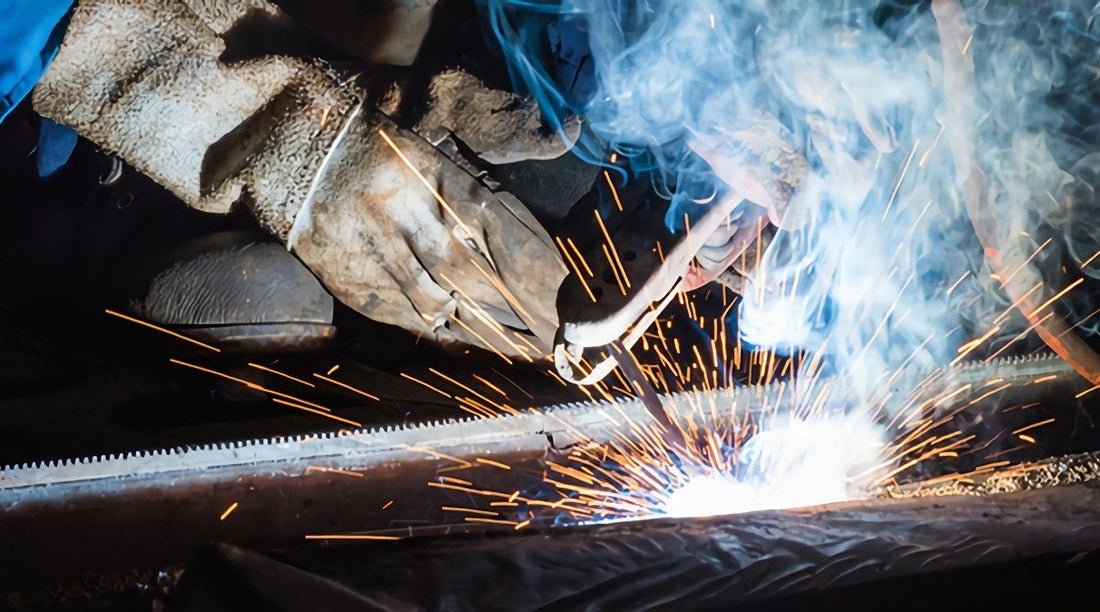
Irregular weld beads can substantially affect the high quality and strength of a completed product. Numerous variables contribute to this problem, consisting of improper traveling speed, inaccurate amperage setups, and irregular electrode angles. When the welder moves too promptly, a bead might show up slim and do not have infiltration, while relocating as well slowly can create extreme click here build-up. Furthermore, utilizing the wrong amperage can lead to either undercutting or extreme spatter, both of which compromise weld honesty. The welder's method, such as inconsistent lantern activity, can likewise cause irregular grain look. To mitigate these problems, welders must concentrate on preserving constant, controlled activities and making certain appropriate equipment setups to achieve uniformity in their welds. Uniformity is essential to accomplishing strong and reliable welds.
Overheating and Warping Issues
Excessive warmth during the welding process can result in significant getting too hot and contorting concerns, affecting the structural honesty of the work surface. These issues usually show up as distortion, which can jeopardize placement and fit-up, making further assembly testing. Aspects adding to overheating consist of the option of welding criteria, such as voltage and take a trip speed, as well as the kind of product being bonded. To mitigate these concerns, welders need to keep regular travel rate and ideal warm input while keeping track of the work surface temperature level. Additionally, pre-heating or post-weld warm therapy can assist minimize tensions caused by rapid air conditioning - Montana Mobile Welding and Repair Belgrade Welding. Normal inspection and adherence to ideal techniques are necessary in stopping overheating and making certain the durability and dependability of bonded structures
Often Asked Concerns
What Are the Profession Opportunities in the Welding Market?
The welding market supplies diverse job possibilities, including positions as welders, designers, teachers, and examiners. Specialists can work in production, building and construction, aerospace, and automobile sectors, taking advantage of solid need and competitive wages in different duties.
Exactly How Can I Boost My Welding Rate Without Compromising Quality?
To boost welding speed without sacrificing top quality, one must practice effective techniques, preserve equipment, optimize setups, and improve hand-eye sychronisation. Regular training and looking for responses can additionally considerably add to attaining faster, premium welds.
What Qualifications Are Available for Welders?
Many certifications exist for welders, including those from the American Welding Society (AWS), the National Facility for Construction Education and Study (NCCER), and different industry-specific companies. These qualifications improve employability and demonstrate skill proficiency.
Just How Does Welding Impact the Properties of Metals?
Welding affects the residential or commercial properties of steels by altering their microstructure, which can result in changes in ductility, firmness, and toughness. Warm input and air conditioning prices during the procedure substantially affect these product characteristics.
Can I Bonded Dissimilar Metals Together?